A useful video quote starts with the scope, not the running time. The concept, shooting requirements, usage rights and final versions determine how much work a production needs.
Start with the job the film must do
Before comparing prices, describe the audience, message and action you want the film to support. A brand introduction, a product demonstration and a recruitment interview ask different things of the production team. They may all be sixty seconds long and still require very different resources.
Write a short brief with the intended channels and launch date. If the film needs to work as a vertical social advertisement as well as a website feature, say so before filming. Planning both formats from the beginning is easier than discovering that the most important action sits outside a later crop.
Separate the quote into four stages
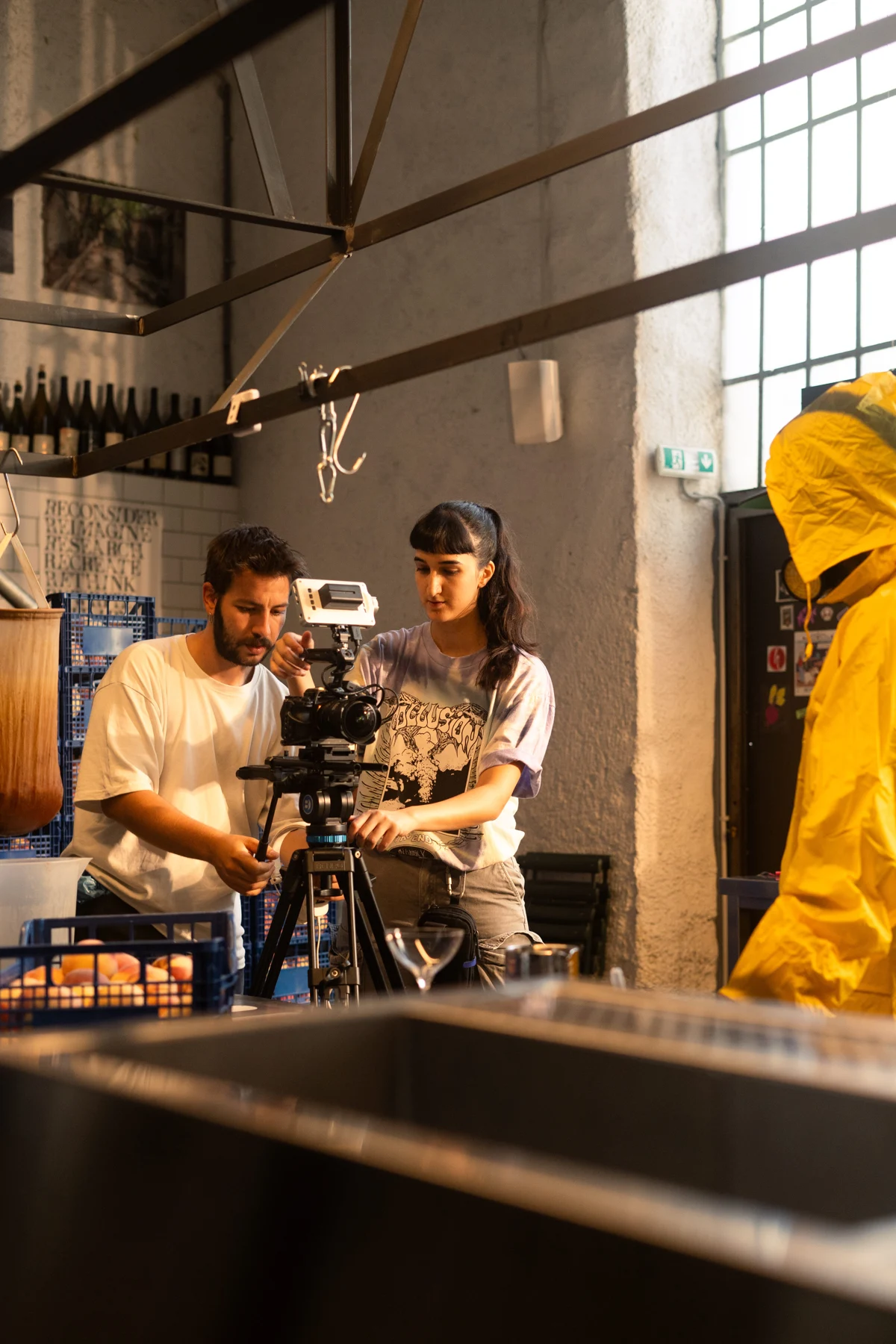
Pre-production covers the decisions that make a shoot possible: concept development, script, casting, locations, schedule and logistics. Production covers the shoot itself, including the crew, equipment, lighting, sound and on-set coordination. Post-production turns the footage into the finished work through editing, colour, sound and any graphics. Usage and delivery define where, how long and in which versions the film can be used.
Ask what is included in each stage. A lower headline price may cover fewer deliverables or leave an essential item outside the estimate. A clear breakdown makes proposals comparable without treating every creative decision as a commodity.
Agree the deliverables before the camera rolls
A practical deliverables list names the main film, shorter edits, aspect ratios, language versions, subtitles and any still photography. It also states whether the different versions are simple adaptations or separately structured stories. Three alternate openings can require more editorial work than three exports of the same cut.
For example, a brief might ask for one main film, two shorter edits and a set of vertical story assets. This is an illustrative scope, not a package or price commitment. The key is to specify the outputs clearly enough that the team can plan the shoot around them.
Check revisions, rights and logistics
Identify who can approve the concept, script and final edit. Agree how feedback is collected and how revision rounds work. Consolidated feedback from one decision maker avoids contradictory requests and makes the schedule easier to manage.
Also clarify talent and music usage, location permissions, travel, weather alternatives, delivery deadlines and raw-file arrangements. Ask what would trigger an additional charge. These are scope questions to settle with the production team, rather than details to leave until the first cut arrives.
Request a quote you can make a decision on
Send the same written scope to the teams you are comparing. Include two or three references and explain the specific quality you like in each: performance, lighting, pace, framing or tone. A reference is more useful when it communicates a decision than when it simply asks for something impressive.
Then ask each team to explain its proposed approach, assumptions and exclusions. A strong proposal should help you understand what will be made, what it requires from you and how the investment supports the intended outcome. Explore our production work before preparing your next brief.
A few useful answers
Can one shoot cover several platforms?
Yes, when framing, scripts and deliverables are planned for those platforms before production.
Does a shorter film always cost less?
No. A short commercial can need more preparation, setups and finishing than a longer interview.